
Teen Trauma & PTSD Treatment in Jacksonville, FL
Healing the hidden wounds of trauma to help your teen feel safe again.
At HavenRise Academy, we understand that trauma is not just a “bad memory.” It is a physiological response that gets stuck in the nervous system. We provide a safe, trauma-informed environment in Jacksonville where adolescents (Grades 6–12) can process their pain without being re-traumatized.

Trauma changes everything. It changes how a teen sees the world, how they trust others, and how they feel in their own body.
If your teen has experienced a distressing event—whether it was a single incident like an accident or ongoing stress like bullying or family conflict—you may notice a shift in their personality. They might be jumpy, angry, withdrawn, or struggling to sleep.
You might be wondering: “Why can’t they just move past this?”
Recognizing PTSD and Trauma in Adolescents
Post-Traumatic Stress Disorder (PTSD) looks different in teens than it does in adults. While adults might describe “flashbacks,” teens often express their trauma through behavior and body.
If your teen has experienced a traumatic event and is showing these signs for more than a month, they may need professional help:
- Avoidance: Refusing to go to certain places (like school), see certain people, or talk about the event at all.
- Hypervigilance: Always "on edge," easily startled, or unable to relax (constantly scanning the room).
- Mood Swings: Sudden outbursts of anger, irritability, or crying that seem out of proportion to the situation.
- Numbing: Losing interest in activities they used to love, or feeling "dead inside."
- Risky Behavior: Substance use, reckless driving, or sexual promiscuity (often an attempt to feel something or numb the pain).
- Physical Symptoms: Chronic headaches, stomach aches, or mysterious pains with no medical cause.
What Counts as "Trauma" for a Teen?
Many parents believe trauma only happens in extreme cases like war or violence. However, the adolescent brain is sensitive. Events that might seem manageable to an adult can be devastating to a developing teen.
Common sources of trauma we see in Jacksonville teens include:
- Bullying & Cyberbullying: Relentless harassment at school or online.
- Divorce or Family Conflict: High-conflict separations or domestic instability.
- Grief & Loss: Sudden death of a parent, sibling, or close friend.
- Medical Trauma: Serious illness, hospitalization, or injury.
- Abuse or Assault: Physical, emotional, or sexual abuse.
Our Trauma-Informed Approach
Healing from trauma requires more than just “talking about it.” In fact, pushing a teen to talk before they are ready can be harmful.
At HavenRise, we use a Trauma-Informed Care model. This means that every staff member—from our therapists to our front desk—understands the impact of trauma. We prioritize safety, trustworthiness, and empowerment above all else.
Therapeutic Modalities We Use
- Trauma-Focused CBT (TF-CBT): The gold standard for adolescents. We help teens understand how the trauma has distorted their thinking ("It was my fault," "The world is unsafe") and gently correct those thoughts.
- Emotional Regulation (DBT Skills): Trauma makes emotions feel huge and dangerous. We teach practical skills to manage panic and anger in the moment.
- Somatic Awareness: Helping teens reconnect with their bodies safely, noticing where they hold tension and learning to release it.
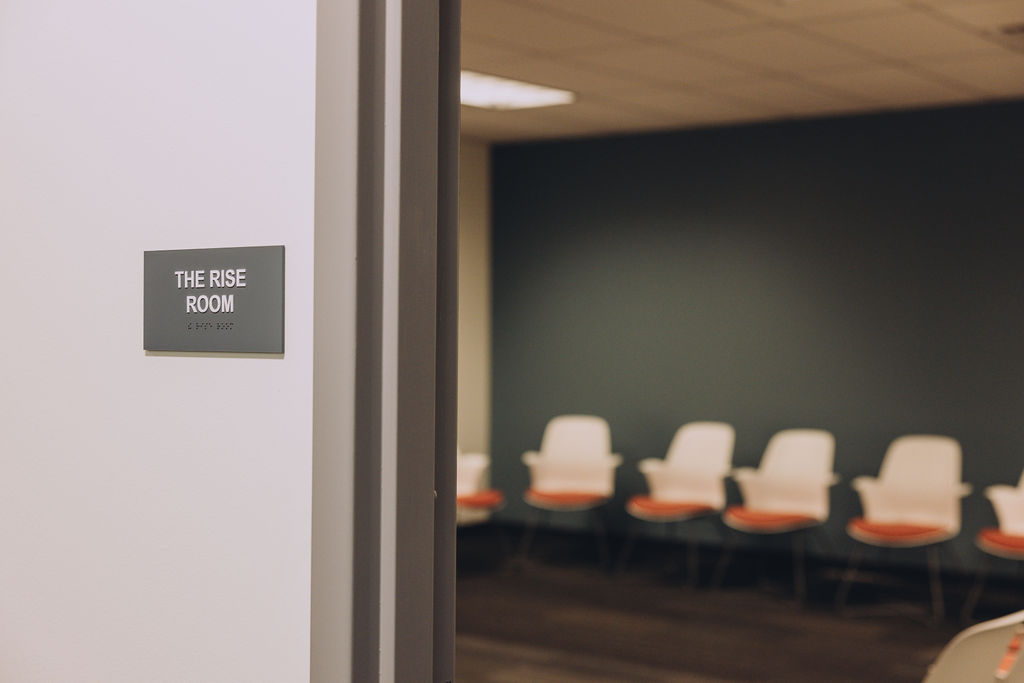
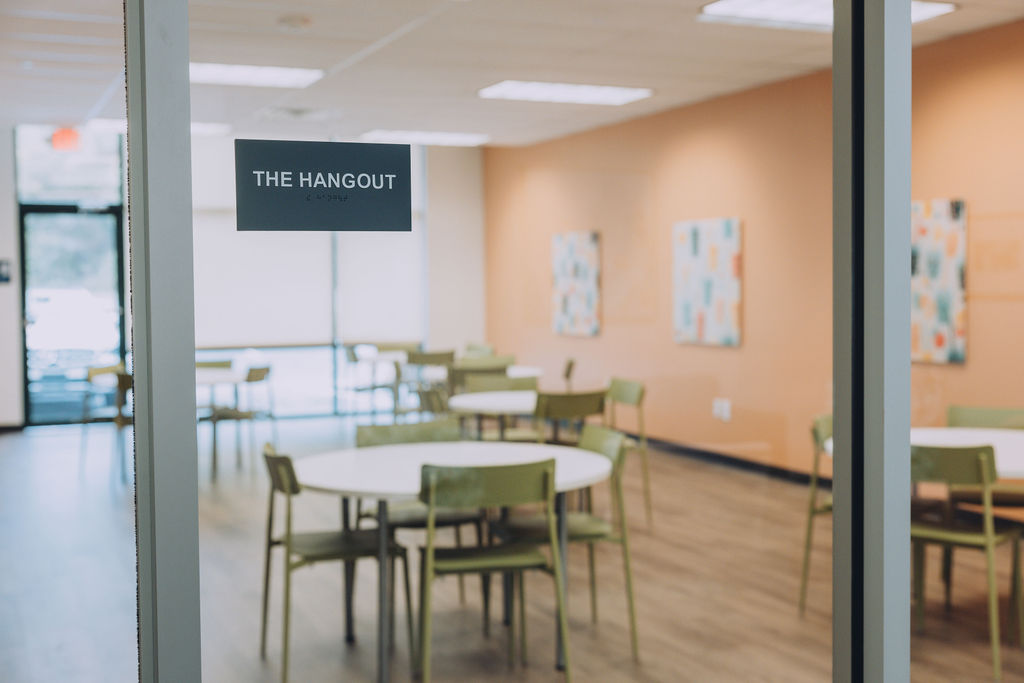
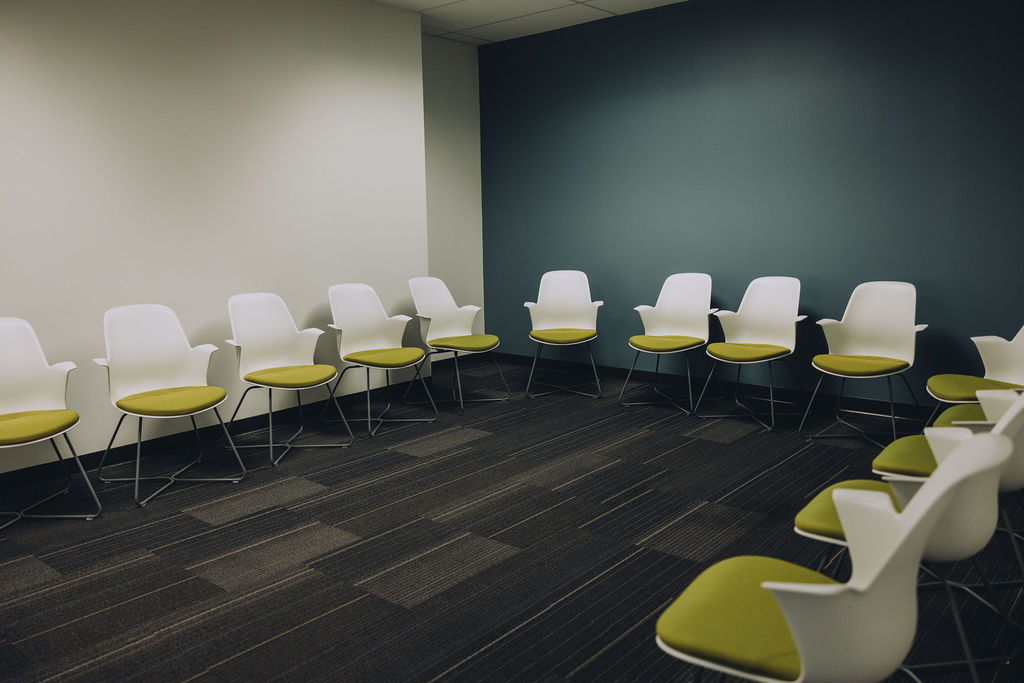


Creating a Safe Space to Heal
Trauma recovery is a process. We offer two levels of care to support your teen at their own pace:
Partial Hospitalization Program
- Partial Hospitalization Programs are best for teens who are unsafe, self-harming, or unable to function at school due to trauma triggers.
- A structured, full-day program that provides a “protective bubble” where teens can stabilize their nervous system away from the stressors of daily life.
Intensive Outpatient Program
- An Intensive Outpatient Program is best for teens who are ready to return to school but need ongoing support to process their experiences.
- Teens attend therapy several afternoons a week, allowing them to practice their coping skills in the real world while still having a safety net.
Trauma and School Performance
Trauma acts like a “brain fog.” When a teen is in survival mode (fight, flight, or freeze), the part of their brain responsible for learning and memory (the prefrontal cortex) shuts down.
If your teen’s grades are dropping, it isn’t because they aren’t trying—it’s because their brain is busy scanning for danger.
We work with schools in Duval and St. Johns counties to create Trauma-Sensitive Education Plans. This might include:
- "Safe passes" to leave class when triggered.
- Modified workloads during intense treatment periods.
- Educating teachers on how to avoid triggers in the classroom.
Frequently Asked Questions
Will talking about the trauma make it worse?
This is a common fear. In a safe, therapeutic setting, processing the memory actually reduces its power. However, we never force a teen to disclose details before they have the coping skills to handle the emotions. We go at their pace.
Is bullying really "trauma"?
Absolutely. Chronic bullying attacks a teen’s sense of safety and self-worth. The psychological impact of bullying can be just as severe as other forms of trauma and requires serious treatment.
How do I support my teen at home?
The most important thing you can offer is consistency and calm. A traumatized teen needs to know what to expect. We offer Family Support Sessions to teach you how to de-escalate conflicts and create a healing home environment.
It Is Possible to Feel Safe Again
Trauma is part of your teen’s story, but it does not have to be the end of it. Adolescents are incredibly resilient. With the right care, they can process their pain and move forward with strength.
Call HavenRise Academy at (904) 659-7473 or reach out online to discuss your teen’s needs confidentially.